
How Livermore Residents Are Found
Start any Livermore resident lookup with a precise record question. The Alameda County Assessor answers parcel questions. Its online property search leaves owner names out. The Clerk-Recorder supplies party names from recorded documents. The Registrar of Voters offers self-service confirmation rather than a public name list. Courts, vital-record custodians, libraries, and state agencies each answer something different. Two people sharing a name stay separate until independent details agree. Follow the record trail in a fixed order. That discipline keeps a deed, a business filing, or an obituary in its proper context.
- Write down the known name, spelling variants, address clue, date range, and reason for the search.
- For an address, save the APN and situs details from the Alameda Property Assessment Information search.
- Use the Alameda Superior Court online-services page for public case indexes, then read the docket role and status.
- Use the county or state custodian for a vital certificate, and distinguish an informational copy from an authorized certified copy.
- For older residents, search library indexes, the digitized Livermore Herald, cemetery records, directories, and census material together.
Note: A search lead becomes useful evidence only when the name, place, date, and record role fit the same person.
Livermore Resident Records Desks
Government level splits Livermore records. City Hall keeps legislation, permits, and police records. Alameda County keeps the rest: deeds, assessment data, certificates, tax bills, elections, and Superior Court files. Oakland is the county seat. But the Dublin Clerk-Recorder satellite and the Pleasanton courthouse serve the east county well. So do not bring a county deed question to Livermore City Hall. The division of desks is the first fact of any resident lookup.
Livermore City Clerk
City Hall
1052 South Livermore Avenue
Livermore, CA 94550
925-960-4200
Alameda Clerk-Recorder
Dublin satellite
7600 Dublin Blvd., Suite 160
Dublin, CA
County records include deeds, maps, liens, FBN filings, and vital certificates.
Alameda Registrar of Voters
1225 Fallon Street, Room G-1
Oakland, CA 94612
510-272-6973
East-county court access runs through the Gale-Schenone Hall of Justice in Pleasanton, though filings may still route elsewhere. Choosing the right office is part of the lookup. Never assume it from the city name alone.
Livermore Assessor Resident Records
The online Alameda property portal searches by address or parcel number. It can return an APN, situs address, parcel-map link, and land-use code. Assessed land and improvement values, tax year, transfer or assessment information where displayed, building characteristics, and a tax-bill link can also appear. Owner names are not published online. That omission is deliberate, so a blank owner field is not a failed search. Names remain available at the Assessor public-records counter. Limited telephone inquiry and written request also work. Keep the online parcel facts separate from the offline name result. A mailing address can differ from the physical situs. Neither one proves every person in a household.
| Address | Autocomplete property address; choose the suggested situs address. |
|---|---|
| Parcel Number | Autocomplete APN route; use dashes and omit leading zeroes. |
| Search | Returns assessment and property detail, not an online owner name. |
| Owner inquiry | Use the public counter, limited phone route, or written response channel. |
Local search tip. Treat the portal as a parcel-finding tool. Take the APN to the assessor counter before linking a person to the property.
Current Livermore Directory Sources
No single current Livermore residents directory lists every household. Each official source has a narrow purpose. Access rules differ too. The table below shows what a search can and cannot establish.
| Source | What It Can Show | Keeper | Access |
|---|---|---|---|
| Assessment roll | Parcel facts and owner information through offline channels | Alameda Assessor | Online facts; counter, phone, or written owner inquiry |
| Recorded-document index | Named parties, instruments, dates, and legal descriptions | Clerk-Recorder | 1969-present electronic index; older manual research |
| Voter record | A voter’s own registration and district details | Registrar of Voters | Self-service or approved statutory request |
| Public court docket | Party roles, case dates, status, hearings, and dispositions | Alameda Superior Court | Online index or clerk request, with exclusions |
| Business or license file | Public affiliation, status, and address of record | California agencies | Free state searches; affiliation is not residence proof |
A person-focused question needs the right record role and date. A street-focused question needs the parcel, deed, permit, and map chain rather than a name-only search.
Livermore Court Records Need Context
DomainWeb has historically supplied public civil, family, probate, and mental-health case access. The Alameda criminal ePortal handles criminal search functions. Search by last name or business name, add a first name when available, and narrow with case type or filing dates. A court result is only a lead. It is not proof the party lived in Livermore. Read the register of actions before ordering pages. A public docket may show a case number, title, case type, filing date, status, party names and roles, hearing dates, departments, disposition entries, and document titles. Scanned pleadings may not be available remotely. Sealed, juvenile, adoption, confidential, and some family or mental-health material is excluded or restricted.
| Name route | Last name or business name is required for a party search; spelling variants help. |
|---|---|
| First name | Optional narrowing field for common surnames. |
| Case number | Alternative route when an exact identifier is known. |
| Case type and dates | Optional filters that reduce same-name results. |
Open the Alameda Superior Court online-services page before reading the captured court search view.
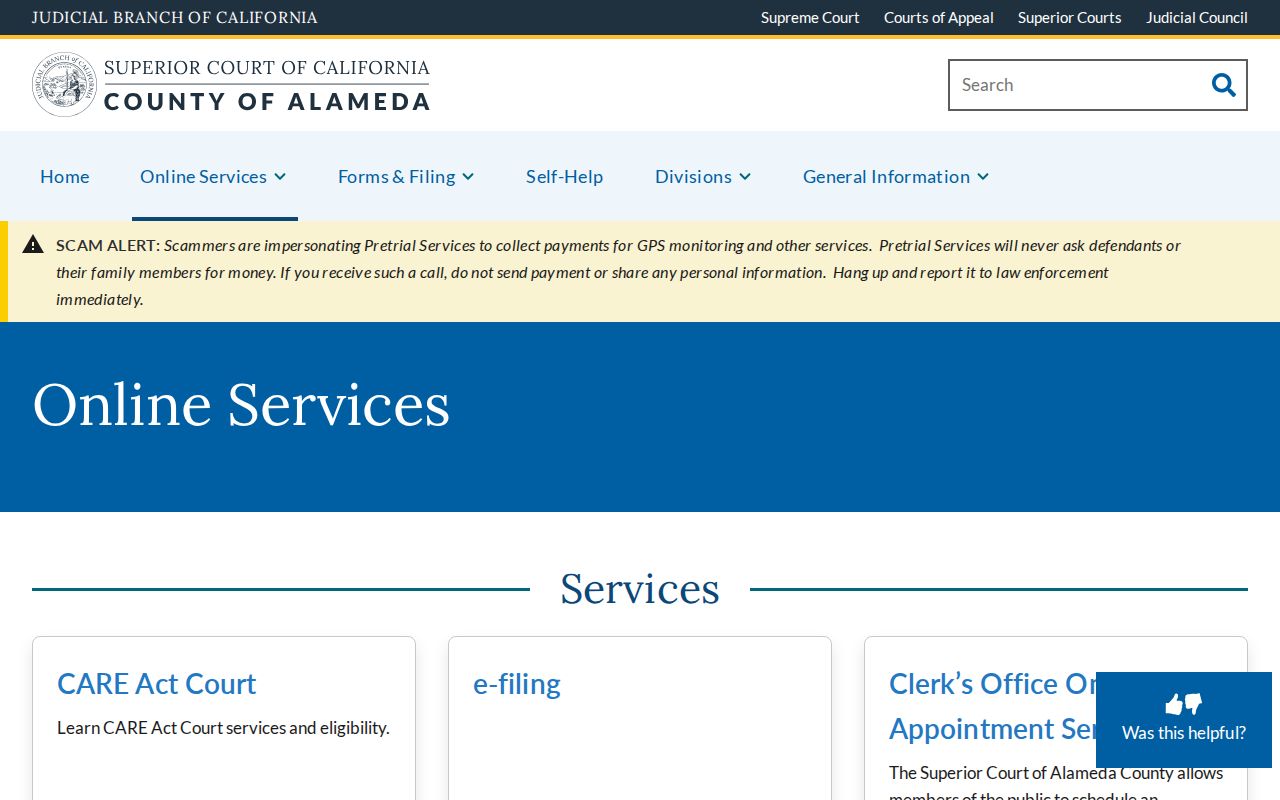
The Livermore court portal is a starting point for docket metadata. Names, case numbers, and party roles all appear there.
But a docket entry alone proves little. Party role and date still need context before they become a reliable identity match.
Note: Ask the clerk for the register of actions first when a file is archived or the document set is large.
Livermore Voter Lookup Is Self-Service
Alameda My Voter Profile confirms a voter's own registration information. It also covers polling place, sample ballot, vote-by-mail status, language preference, and eligible districts. It is not a public name or street directory. Sign-in requires month, day, and year of birth. It also takes a California driver license or ID, or the last four digits of a Social Security number. California permits voter-file release only for election, scholarly, journalistic, political, or governmental purposes. An identified-voter request requires full name, date of birth, county, and residence address. It also demands a stated purpose and certification. Driver-license or state-ID numbers, Social Security numbers, and signatures are never released. Safe at Home records and other protected records stay outside ordinary access. For the details, open the California Safe at Home program alongside the privacy reference.
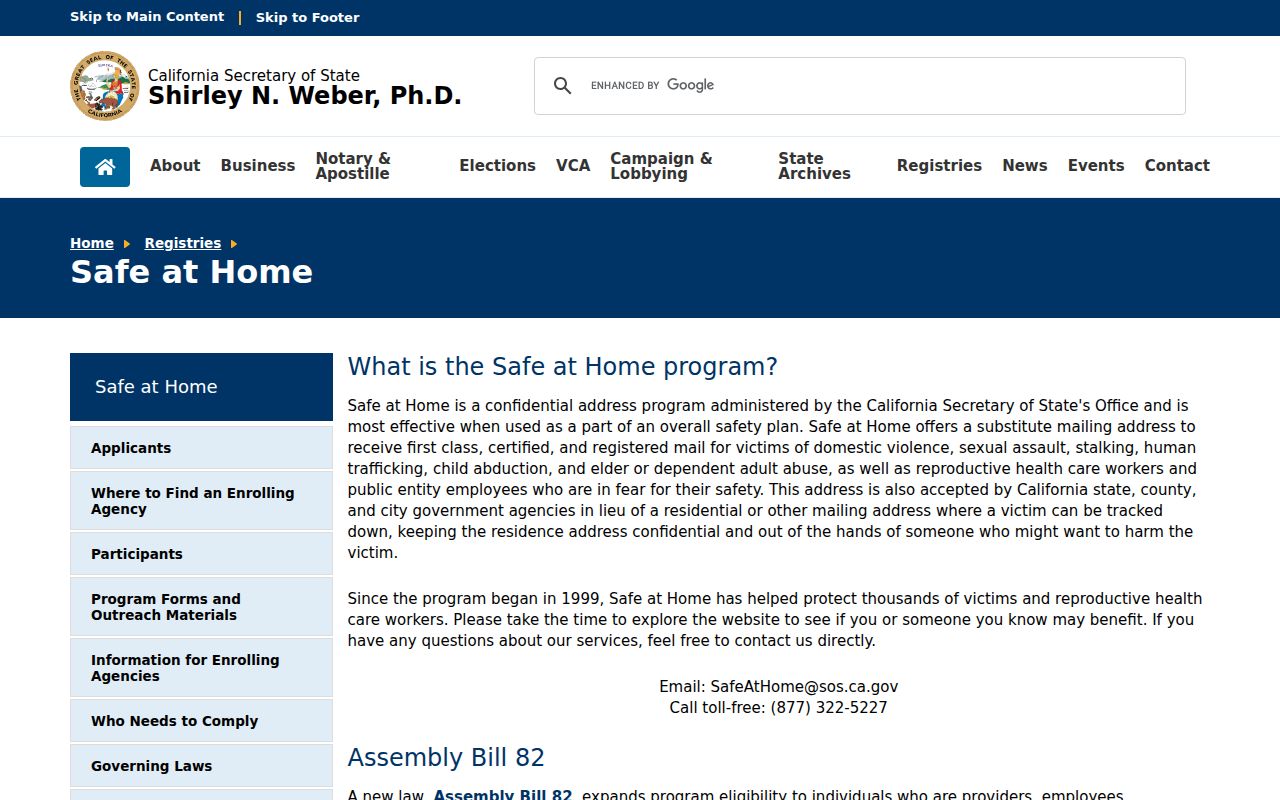
Substitute addresses and confidential-voting protections keep location information out of ordinary disclosure for eligible people. That is why a public voter roll can never serve as a complete household list.
Livermore Vital Records Are Not Open Indexes
Birth, death, and marriage certificates for Livermore events come from the Alameda County Clerk-Recorder or the California Department of Public Health. Neither office publishes an open index. An application asks for the record type, the names on the record, the event date and place, parent details where they apply, and the number of copies wanted. It also asks who is applying. Identity, relationship or authorized category, purpose, signature, and payment complete the form. Authorized certified copies are limited to the categories listed in Health and Safety Code §103526. Anyone else can order an informational certified copy. That copy carries a notice stating it cannot establish identity.
No universal index of current-resident births or deaths exists. Historical obituary and cemetery indexes can still supply a clue, but the certificate custodian decides whether a copy may be issued. Adoption files remain confidential under Family Code §9200 et seq. Divorce records split too, with the Superior Court holding the case file and CDPH keeping an informational record for covered years. The CDPH vital-record applications page explains the statewide route. Alameda events should go through the county order page. A missing index never proves a missing certificate.
Livermore Address-to-Person Records
Tracing an older Livermore address takes several layers of records. Begin with a normalized street address and its APN. Then follow the deed chain through the Clerk-Recorder. Match the legal description against the parcel map. Hold off on permits, council actions, historical directories, the census, newspapers, probate, and obituaries until the property identity is stable. Each source proves something slightly different. A deed only names a party to a transaction. A directory or census entry is stronger evidence that a household actually lived there on its own date.
Livermore's past rewards this care. Railroad-era town lots, ranch and winery names, trusts, partnerships, and later subdivisions could place one property under several names over time. The Livermore residents directory works best when each name carries an exact date, source, and role. That works better than serving as one timeless roster. The full parcel chain is laid out through the Livermore by-street records route.
- Normalize the address and save the APN, situs, and map link.
- Obtain the current owner through the Assessor’s offline channel.
- Search the owner as grantee, inspect the acquisition deed, and record the grantor and legal description.
- Move backward through earlier grantees, then cross the 1969 index cutoff by using microfilm or books.
- Pair the property chain with the library, census, newspaper, and probate trail.
Livermore City Records Online
Livermore's City Public Records Online gateway splits into Request Records, Search Records, Council Records, and Campaign Disclosures. Each section serves a different records task. Its Laserfiche search instructions cover the repository. The repository holds Council minutes and ordinances from 1876 forward, resolutions from 1944, Redevelopment Agency minutes from 1981, agenda packets from January 10, 2000, and summary agendas from November 24, 2003. These documents can place names beside petitions, streets, subdivisions, claims, and civic actions.
Browsing opens the Public Folder hierarchy. Searching accepts a word or phrase and offers two WebLink search modes. Scanned pages convert through the PDF icon, with a 75-page maximum per batch. Allow pop-ups when the repository needs them. If a desired existing record is not in the repository, file a focused CPRA request. Do not ask staff to write a custom explanation.
| Browse | Navigate public folders and their record groupings. |
|---|---|
| Search | Run a single word or phrase through the repository. |
| PDF icon | Convert scanned pages, up to 75 pages per batch. |
| Request Records | Use the CPRA fallback for an existing, focused record description. |
Livermore Business Records Need Context
State business and professional files can separate people who share a common name. But their addresses are usually business or professional addresses. California Secretary of State bizfile results typically show the entity name and number, status, formation or jurisdiction, principal or mailing addresses, agent for service, and filed statements or images. The California Department of Consumer Affairs search can show board or license type, name, license number, city or county, status, issue or expiration, and published discipline. Treat these sources as affiliation evidence. A winery, contractor, laboratory, or professional practice can tie a name to Livermore. But that does not prove a home address. The same caution fits Alameda fictitious-business-name filings and State Controller unclaimed-property results. Those may list a historic mailing address or reporting business. Start with the California business entity search before reading any result screen.
An entity result carries the most weight when its role, date, and address agree with a deed, court file, or published biography. Treat the filing as a business connection. It is not a resident roll.
For a regulated profession, open the California DCA license search and compare the exact license number. The State Controller unclaimed-property search is another name trail. Still, a result only signals a historic financial association and demands proof of identity and entitlement.
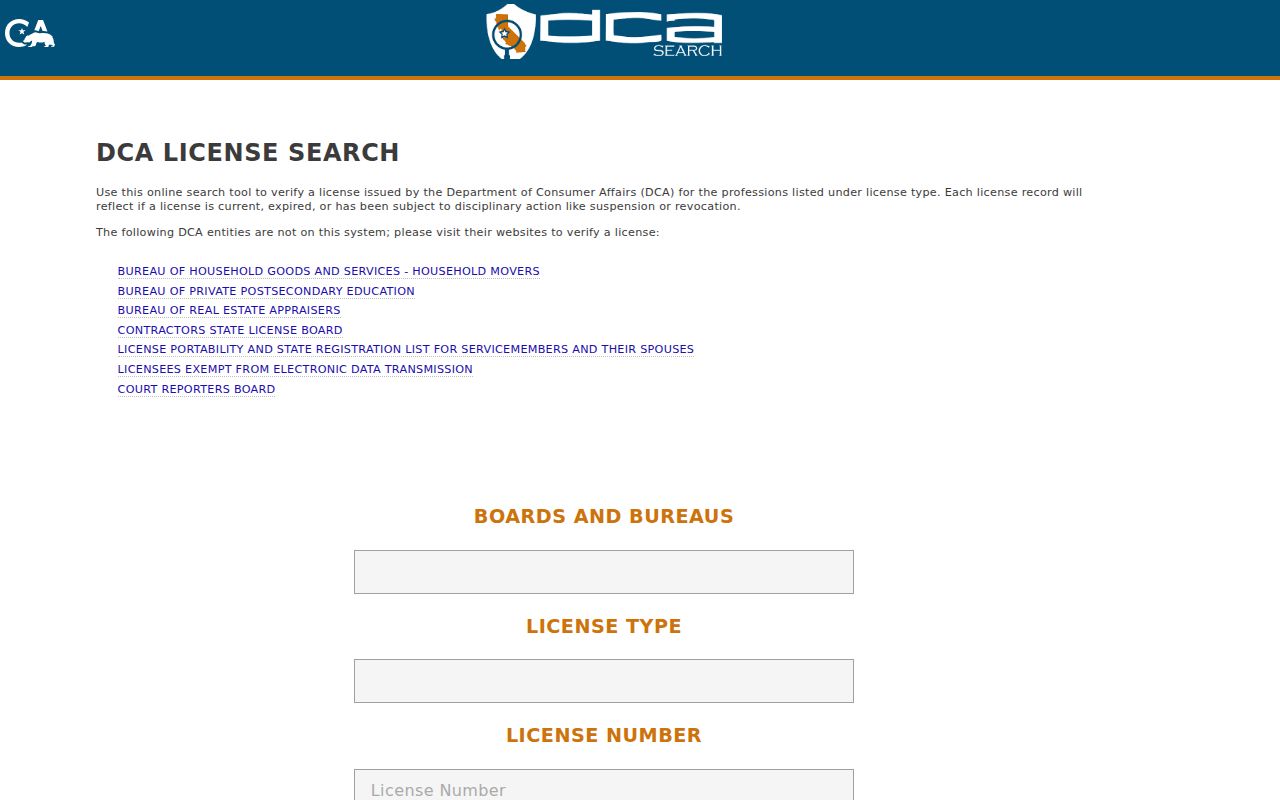
These public result screens help separate similar names. They also preserve one limit. An address of record is not necessarily a residence.
Open the California State Controller unclaimed-property search before interpreting what the official results page displays.
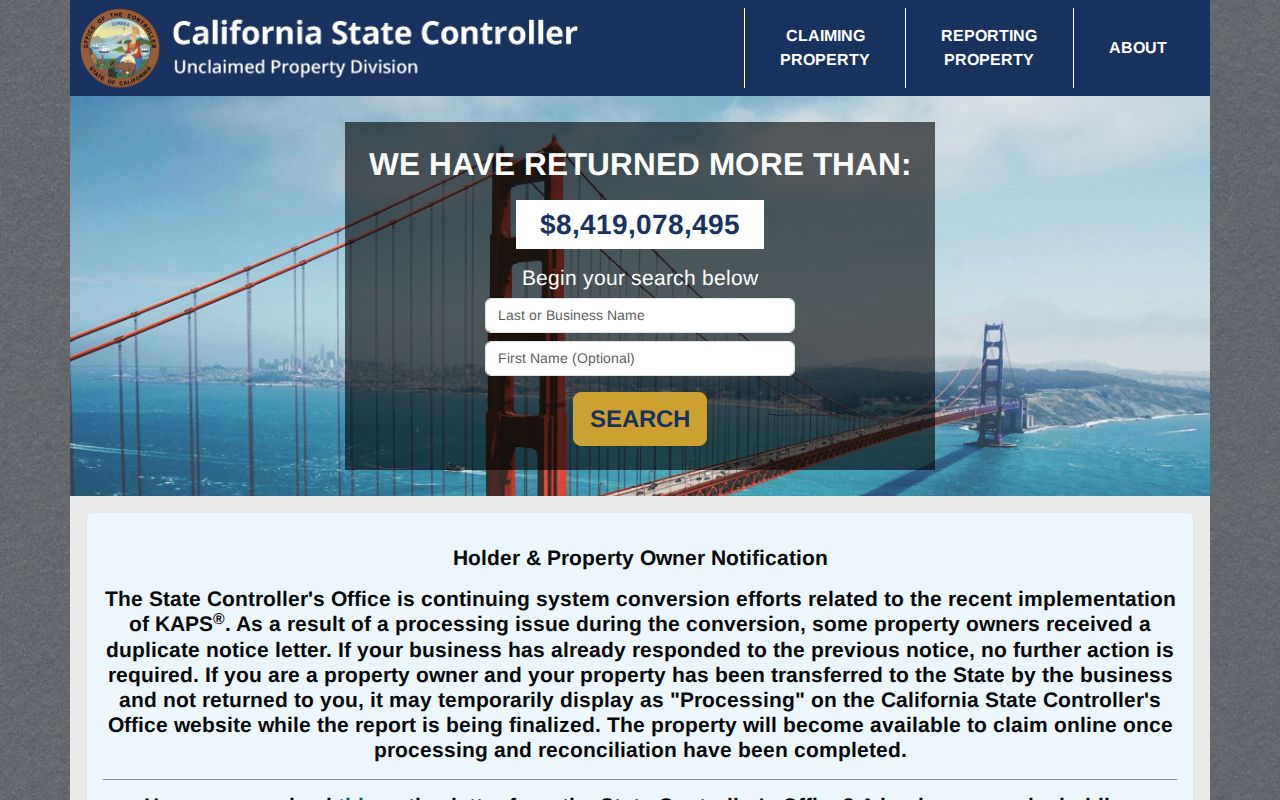
Check the official claim process directly. California makes the search and claim route free, so an unsolicited demand for payment deserves independent verification.
Livermore Directory History Shelf
Livermore Public Library is where a residents directory search turns when online portals run dry. The Civic Center branch provides in-library Ancestry Library Edition, HeritageQuest, and California Digital Newspaper Collection access. It also offers Online Archive of California photographs plus links to the Livermore-Amador Genealogical Society, the Heritage Guild, and a local Family History Center. Try catalog terms like “Livermore directory,” “telephone directory,” “Polk,” and “Haines criss-cross.” School titles and family histories surface there too.
Newspaper indexing runs deep. The Barbara Bunshah Selective Subject Index covers the Enterprise from 1874-1876 and segments from 1899 through 2002 across several local titles. Remember that it is only an index. You retrieve the cited page on Civic Center microfilm. The Tri-Valley obituary index spans 1874-2004, though a missing name proves nothing, because pre-1980 Valley Times and Independent obituaries were left out.
The Heritage Guild History Center sits in the 1911 Carnegie Library at 2155 Third Street. Posted hours are Thursday through Saturday, 11:30 a.m. to 4 p.m., plus the first two Sundays from 10 a.m. to 2 p.m., subject to live confirmation. Holdings include newspapers, maps, property-tax logs, oral histories, photographs, business directories, and archives. A focused request helps volunteers locate a file or microfilm item. Older entries get context in the Livermore city directory collections.
Livermore Records After the 1969 Divide
Alameda County recorder records begin in 1853. The electronic name index starts in 1969. That year is an access divide, not a loss of older deeds. Documents from 1969 forward can be traced through the electronic name route, though the index remains a finding aid rather than the record itself. Anything from 1853 through 1968 calls for microfilm, manual grantor-grantee indexes, deed books, mail research, or an in-person visit.
Livermore’s municipal trail runs on a separate clock. City Council minutes and ordinances run from 1876 to the present. The city’s incorporation history is more tangled in local sources. Because the railroad’s arrival and the town-lot era tie deeds to maps and civic minutes, a street, subdivision, or annexation clue can bridge a gap the name index leaves open.
| Era | Primary trail | Best access question |
|---|---|---|
| 1853-1968 | Manual indexes, microfilm, deed books | Which party and legal description appear before electronic indexing? |
| 1969-present | Electronic name index plus document copies | What instrument number and document image should be checked? |
| 1876-current civic record | City Laserfiche minutes and ordinances | Was a street, parcel, or petitioner discussed by the city? |
Livermore Residents Cross Record Boundaries
Postal Livermore and incorporated Livermore are different geographies. ZIP 94550 broadly covers central, south, and east Livermore plus rural eastern territory. ZIP 94551 takes in the north and northwest. The City map, parcel geometry, and city-limit layer determine municipal jurisdiction. County District 1 includes Livermore and much of the unincorporated valley around it.
That distinction decides which office to call. A Livermore mailing address may sit on a county parcel outside the city, while a city record may format an address in a way that never answers the postal question. Keep the USPS delivery address, situs, mailing address, APN, and legal description as separate fields. The USPS city and state lookup confirms the mail route. County and city maps settle records jurisdiction.
One habit completes a careful Livermore residents directory search: write a source note. Record the custodian, URL, date checked, and exact spelling. Note whether the result shows ownership, registration, a historic association, or a household entry. That small discipline keeps a useful lead from hardening into an unsupported claim.