
Sources Behind Livermore Previous Residents
The backward trail starts with land identity and then changes source as the question changes. The Alameda County Clerk-Recorder can establish title transfers. A census or directory can place a household at an address for a period. A newspaper, obituary, or probate file can explain a death, move, inheritance, or relationship. A permit can date construction or a project but may name a professional rather than an occupant.
| Source | Years It Covers | Where Held | What It Shows |
|---|---|---|---|
| Recorder books and index | 1853-present; electronic name index 1969-present | Alameda Clerk-Recorder | Ownership transfers, named parties, legal description |
| City Council minutes and ordinances | 1876-present | Livermore Laserfiche | Street, subdivision, annexation, petition, and civic actions |
| Federal census | Public through 1950 | NARA, library databases, FamilySearch | Named household at an enumeration address |
| Livermore Herald | 1877-1899 documented digital run | California Digital Newspaper Collection | Sales, deaths, visits, notices, and local addresses |
| Directories and reverse volumes | Exact local shelf years need confirmation | Library or Heritage Guild | Period names, occupations, addresses, and reverse entries |
| Sanborn maps | 1884, 1888, 1893, 1907, 1917 | Library of Congress or Heritage Guild | Footprints, uses, materials, outbuildings, old numbering |
These sources do not carry equal weight for every question. A chain of title is not a household list, and a directory entry is not a deed. The value comes from a dated match between them.
Anchor Livermore Previous Residents to an APN
Normalize the present street line, remove unit confusion only when the portal requires it, and find the parcel in Alameda property assessment or tax search. Save the APN, situs address, land-use code, assessment year, characteristics, parcel map link, and any latest-document reference. Then compare the same parcel in County and City GIS.
Keep situs, mailing, USPS delivery, and legal description separate. A mailing destination may be a post-office box, trust, business, or another place. The legal description is the durable bridge when a street number changes. A modern APN may also require a subdivision or parcel-line comparison before it can be related to an older description.
- APN
- Assessor’s parcel number, the county identifier for a mapped parcel.
- Chain of title
- A sequence of recorded transfers connecting one title holder to an earlier one.
- Legal description
- The deed identity for land by lot, block, subdivision, or metes and bounds.
- Situs
- The physical address assigned to the parcel, distinct from a mailing destination.
Find a Livermore Deed for Previous Residents
Alameda’s recorded-document system is the core previous-residents title trail. Current ownership is obtained through the Assessor’s offline channel because the online parcel result omits owner names. Search that name as a grantee near the acquisition date. Inspect the deed, copy the grantor and legal description, then search the grantor as an earlier grantee.
- Start with the normalized address, APN, and current owner from the Assessor counter or authorized written inquiry.
- Search the owner as grantee and capture the instrument number, recording date, document type, and legal description.
- Read the deed image or copy, identify the grantor, and verify the APN or description.
- Search that grantor as a prior grantee and repeat until the electronic route ends.
- Continue through 1853-1968 microfilm, manual indexes, and deed books.
Open the Alameda real-property recording information before ordering a copy.
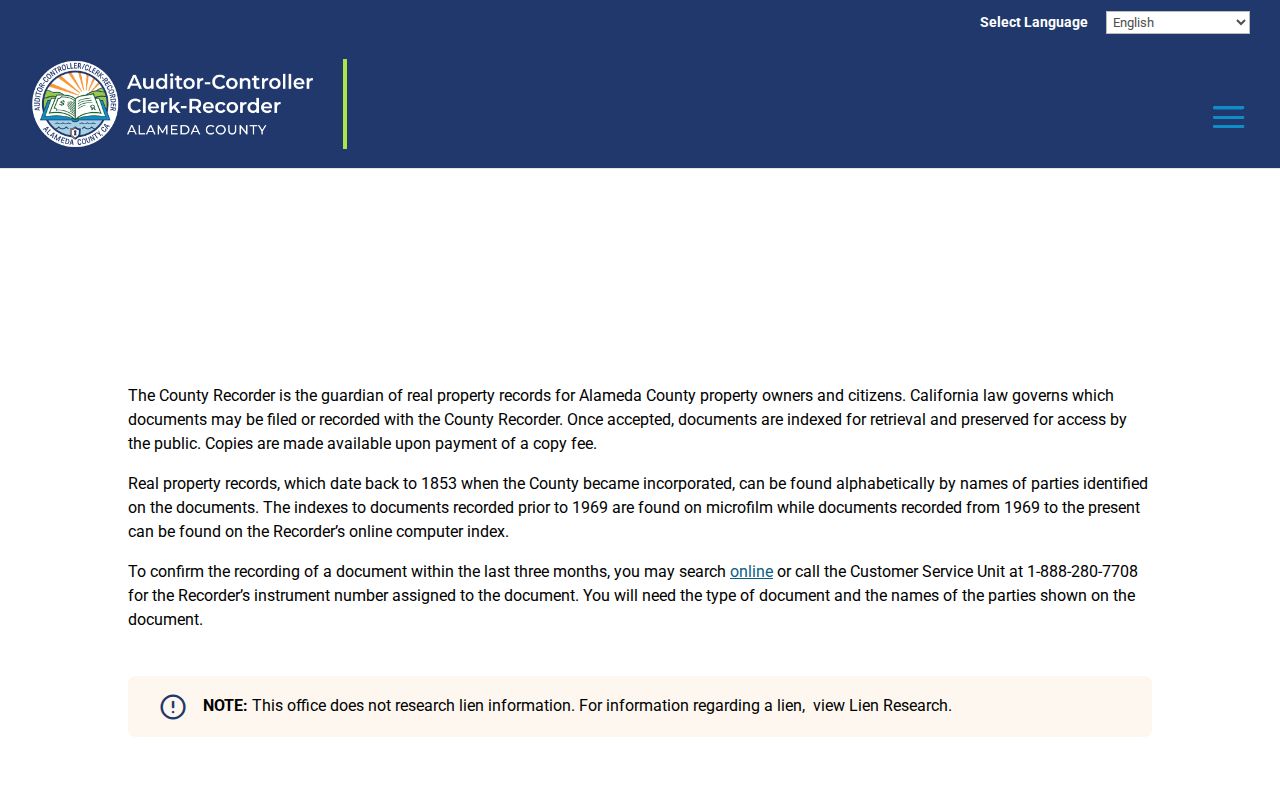
The recorder image is a reminder that an index hit supplies a finding path. The actual legal description is what lets a past transfer stay attached to the correct land.
Cross Livermore’s 1969 Deed Records Cutoff
Electronic name indexing begins in 1969, while Alameda records begin in 1853. Before the cutoff, use microfilm and manual grantor-grantee indexes at the Clerk-Recorder, request office or mail research, and ask staff which citation route fits the document. The absence of a web result says nothing about whether an older deed exists.
Recorder preservation notes add another access distinction. October 1999 through June 2022 real-estate records were completely indexed and digitized as of the plan; 1969 through October 1999 were indexed but only partly digitized; 1853 through 1968 remain in microfilm, books, or other systems. A 1970s index hit may still need a counter visit or paid copy order.
Record the exact gap and next channel in the house-history notes. “Not online” and “not recorded” are different conclusions.
Separate Livermore Previous Owners from Occupants
Previous residents can mean title owners, household members, boarders, visitors, or people named in a civic record. Deeds show parties to a conveyance. Assessment mailing information shows a correspondence destination. Directories and census schedules can place a household at an address for a particular date. A permit may name an architect, contractor, engineer, owner-builder, or service-request contact.
Use the evidence label in every note. Write “grantee,” “grantor,” “directory entry,” “enumerated household,” “permit contact,” or “obituary relative” instead of flattening all names into “resident.” If two sources conflict, check the date and the address field before choosing one.
House-history rule. A title transfer can identify a past owner without proving that the person slept at the property. Occupancy needs its own dated source.
Livermore Census and Directory Household Trail
The city directory collection is the household layer. Search the surname, copy the spouse, occupation, address, home or room notation, widow mark, and any reverse entry. Pair directory editions with federal census years to fill the gaps between decades. A directory year may be missing or exact shelf coverage may be unknown, so ask the library or Heritage Guild to confirm an edition rather than assume continuity.
- Locate the earliest directory or newspaper name at the address.
- Follow the address and family clues through the next verified edition.
- Check the matching public census year and enumeration-district map.
- Search the Barbara Bunshah newspaper index, the 1877-1899 Livermore Herald run, cemetery sets, and obituary entries.
- Use a probate petition, deed, or vital certificate to close a relationship or death-date question.
The collections themselves are detailed on the Livermore city directory archive page. The previous residents question uses those volumes as dated evidence for one address.
Livermore Previous Residents in the 1950 Census
Federal population schedules are public through 1950 under the 72-year release rule. NARA San Francisco, FamilySearch, and library databases provide access routes. Census entries can supply names, ages, relationships, and an enumeration address, but they remain a decennial snapshot. Compare the address wording with a directory, map, deed, or newspaper from the same era.
Open the NARA San Francisco regional archives information before planning archival research.
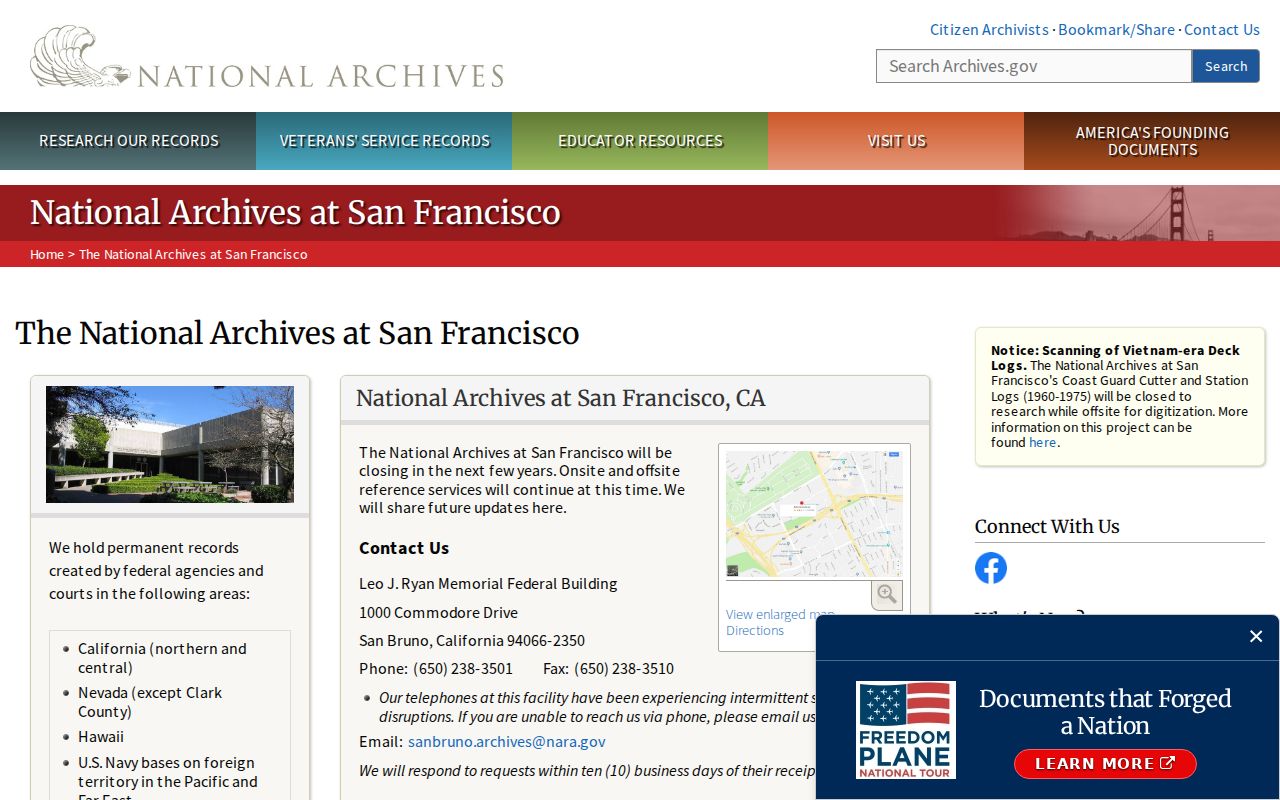
The archive route helps place the public census in its proper context: it is a household point for one enumeration date, not a continuous address history.
Livermore Previous-Resident Maps and Permits
Sanborn fire-insurance maps documented for 1884, 1888, 1893, 1907, and 1917 show building footprints, materials, uses, outbuildings, and old numbering. Livermore permits can add construction, alteration, and project dates. City Council minutes and ordinances from 1876 forward can explain a subdivision, annexation, street action, or land-use change.
Use these sources to explain an address break. A building footprint that changes while the legal description remains stable may show an addition or rebuild. A new subdivision or city action may explain why a directory number no longer matches a current situs. Do not treat a map symbol or permit contact as proof of a household.
For map context, open the Library of Congress Sanborn collection. For archival state material, the California State Archives catalog is the official starting point.
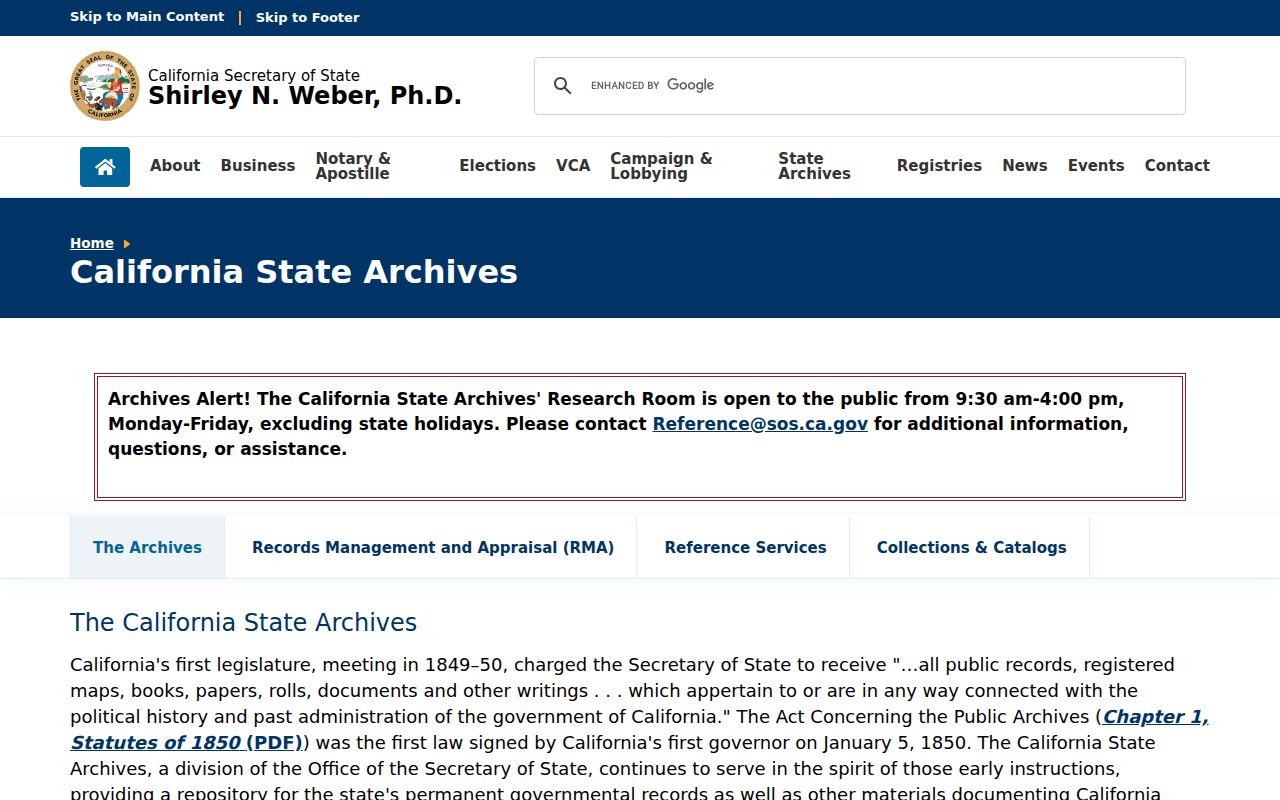
Archives and maps fill historical gaps when a modern portal stops at a current parcel or a current street label.
Livermore Previous Residents in Probate and News
When a former occupant disappears from a directory, probate, obituary, cemetery, and newspaper records can explain the next step. Probate petitions may name heirs and addresses. An obituary can identify relatives, a death date, or a former place. The Livermore-Amador Genealogical Society documents cemetery and obituary datasets, including 1,712 early Livermore obituary entries and local burial sets, while warning that some collections are incomplete.
A newspaper notice can also be a sale, visit, civic petition, or business connection rather than a residence. Compare the item with the deed chain and exact address. A missing obituary does not disprove a death, just as a directory absence does not prove a move.
Note: An endpoint is a reason to stop one branch of the search, not permission to state more than the record supports.
When a Livermore Previous-Resident Address Vanishes
If a street number disappears, follow the APN, legal description, subdivision map, Council action, and parcel lineage instead of searching the old number forever. A postal change, street renumbering, annexation, lot split, or directory omission can break a simple address match. The durable land description is the anchor; the printed address is an era-specific label.
End the house history with a source ledger. For every name, note the exact record, date, party or household role, URL or archive reference, and the reason it is connected to the parcel. A careful account may conclude that a person was an owner, an occupant, a relative, a permit contact, or an unresolved lead. That distinction keeps previous residents research accurate and humane.
Lawful use. Past-address research supports genealogy and personal house history. Never use a name or old address to stalk, harass, intimidate, or harm anyone.